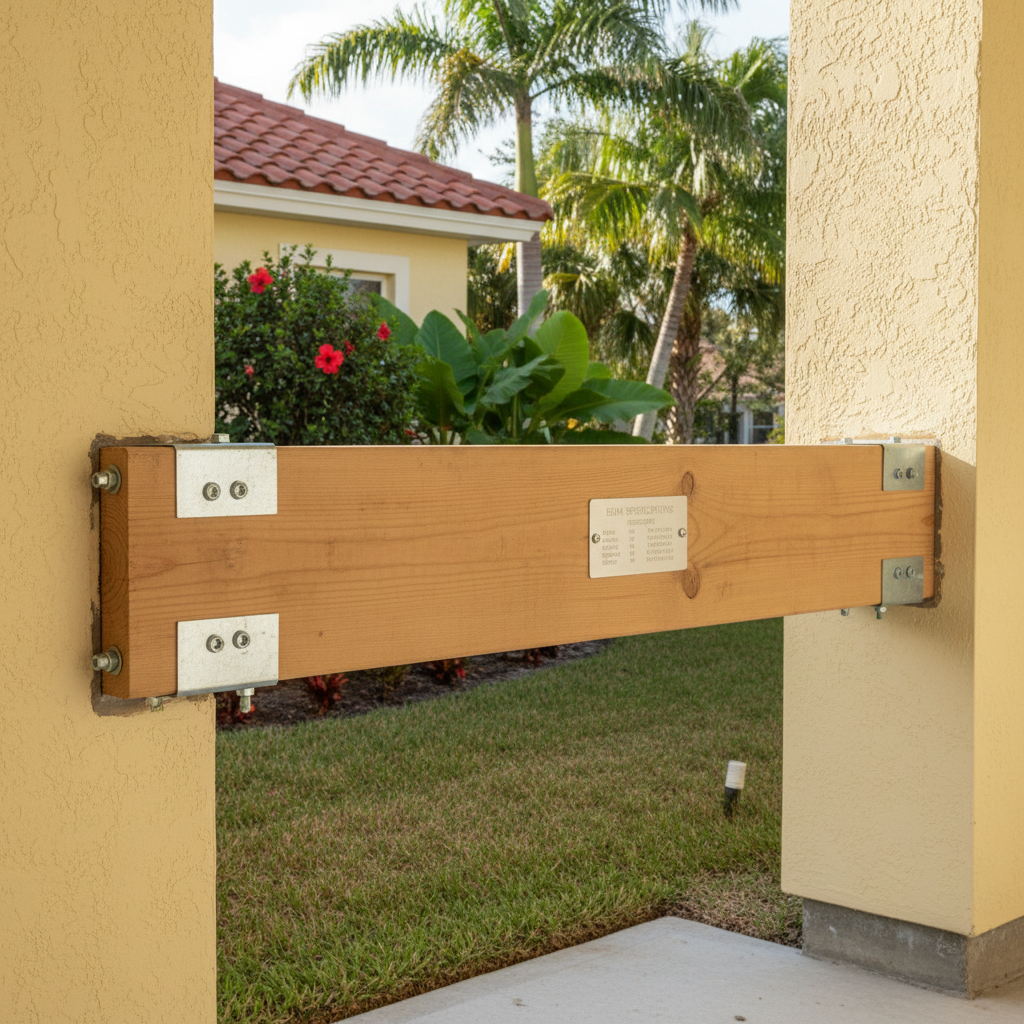
Your Beams Are Working Hard – Let's Keep 'Em That Way
Look, your home's structural beams are the unsung heroes holding everything up. Down here in St. Pete, with our humidity, heat, and occasional downpours, those beams face a lot more stress than folks up north. I've seen firsthand what happens when they're neglected, and trust me, you don't want to go there. So, let's talk about how to keep your home's backbone strong.
Extending the Life of Your Structural Beams
When we're talking about new construction or a big renovation, beam sizing and specification are critical. We're not just picking something off the shelf; we're engineering it for the specific loads, the span, and the environmental conditions. Here in Florida, that usually means considering things like hurricane wind loads and the constant battle against moisture.
For existing structures, extending beam life starts with good design, but continues with smart choices. If you've got wood beams, proper ventilation in crawl spaces and attics is huge. Stagnant, humid air is a breeding ground for rot and mold, which are wood's worst enemies. We often recommend vapor barriers and sometimes even dehumidifiers in particularly damp areas, especially in older homes in places like Snell Isle or Old Northeast that might sit a little lower to the ground. For steel beams, it's all about corrosion protection. A good coat of rust-inhibiting primer and paint is your first line of defense. If that coating gets compromised, you're inviting trouble.
Regular Maintenance: Your Home's Check-Up
You wouldn't skip your car's oil change, right? Think of beam maintenance the same way. It's not complicated, but it is important. Once or twice a year, take a walk through your crawl space, basement, or attic – wherever your primary structural beams are visible. Grab a good flashlight and just look.
- For wood beams: Check for any signs of water intrusion, dark spots, or a musty smell. Probe suspicious areas with a screwdriver; if it goes in easily, you've got rot. Look for insect activity – little piles of sawdust (frass) can indicate termites or powderpost beetles.
- For steel beams: Look for rust. Surface rust isn't always a catastrophe, but deep, flaking rust is a problem. Check connections – bolts, welds, and fasteners – to make sure they're still tight and not showing signs of stress or corrosion.
- For concrete beams: Look for cracks, especially wide ones or those that show water staining. Spalling (where concrete flakes off) can expose rebar to moisture, leading to rust and further damage.
Also, keep an eye on your home's exterior. Make sure gutters are clean and directing water away from the foundation. Poor drainage around your house can lead to water pooling, which eventually finds its way to your beams.
Warning Signs You Can't Ignore
Sometimes, problems develop quickly, or you might miss the subtle signs. Here are some red flags that mean you need to act fast:
- Sagging floors: If your floors feel bouncy or you notice a distinct dip in certain areas, that's a classic sign of a beam issue.
- Cracks in walls or ceilings: Especially cracks that are wider than a pencil lead, run diagonally, or appear suddenly. These can indicate foundational movement or beam deflection.
- Doors and windows sticking: If they suddenly don't close right, it might not just be the humidity; it could be structural shifting.
- Musty odors or visible mold: Particularly in basements or crawl spaces, this points to moisture problems that can quickly degrade wood beams.
- Pest infestations: Termites and other wood-destroying insects love damp, dark places where beams often reside.
- Visible rust or corrosion on steel: If you see significant rust on a steel beam, it's already past the point of simple maintenance.
When to Call a Professional
This is where Skyline Structural Solutions comes in. If you see any of those warning signs, or even if you just have a gut feeling something's not right, don't hesitate. It's always better to catch these things early. A small repair now can prevent a massive, expensive headache down the road.
You need someone who understands the local building codes, the unique challenges of our climate, and how to properly assess structural integrity. We'll come out, do a thorough inspection, and give you an honest assessment of what's going on. Sometimes it's a simple fix; other times, it requires more extensive work like beam reinforcement or replacement. But either way, you'll get clear answers and a plan to keep your home safe and sound. Don't wait until a small issue becomes a big one. Your home's structure is too important to leave to chance.