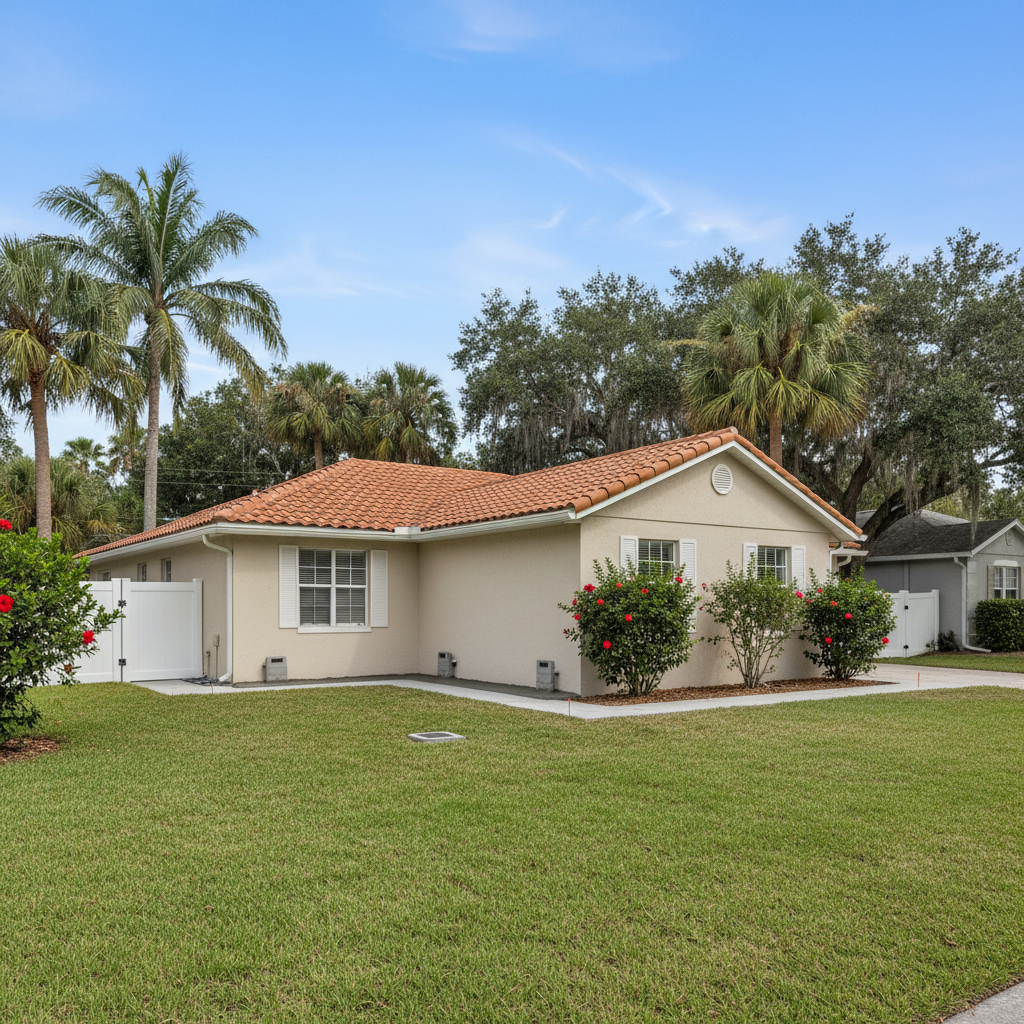
Got a weird crack in your wall? Or maybe a door that just doesn't close right anymore? Don't just shrug it off. Here in St. Pete, foundation issues pop up more often than you might think. And honestly, ignoring them can quickly turn a small fix into a huge headache down the road. I've been doing this work for years, and I've seen firsthand how our local environment really impacts homes here.
Why St. Pete Foundations Are Different
You're not building on bedrock here, are you? Nope. A lot of St. Pete sits on sandy, sometimes even mucky, soil. Especially if your place is in an older neighborhood like Old Northeast or Snell Isle, or even some of the newer spots built on reclaimed land, that soil can be tricky. It expands when it gets wet, then shrinks when it dries out. That constant movement puts a lot of stress on your home's foundation. Now, add in our heavy rainy seasons, the occasional hurricane, and the fact that we're pretty much at sea level. You've got yourself a recipe for potential foundation movement.
I've seen homes where one side settles more than the other, often because of uneven soil compaction or drainage problems. Sometimes, it's a plumbing leak under the slab, slowly washing away the soil. Other times, it's just the natural settling of a house that's been standing for 50 or 60 years on less-than-ideal ground, which, let's be honest, is most of St. Pete.
Signs You Might Have a Foundation Problem
You don't need to be an engineer to spot some of the early warning signs. Here's what I always tell folks to keep an eye out for:
- Cracks: Look for zig-zag cracks in brickwork, horizontal cracks in your foundation walls, or even vertical cracks that are wider at the top than the bottom. Inside, check for cracks in drywall, especially around door frames and windows.
- Sticky Doors and Windows: If doors and windows suddenly start sticking, or don't latch properly, that's a classic sign. It usually means the frame is distorting because of foundation movement.
- Uneven Floors: Place a marble on the floor and see if it rolls. If your floors feel bouncy or sloped in certain areas, that's definitely a red flag.
- Gaps: Look for gaps between walls and ceilings, or between the foundation and the exterior walls.
- Exterior Warning Signs: Check for leaning chimneys, fascia boards that are pulling away, or a visible sag in your roofline.
- Water Intrusion: Any standing water around your foundation, or water getting into your crawl space or basement (if you even have one, which is rare here) is a problem.
Don't panic if you see just one of these. Sometimes a small crack is purely cosmetic. But if you're seeing several of these signs, or if cracks are getting wider, it's definitely time to get it checked out.
Why Local Expertise Matters for Foundation Repair
This isn't a job for just any contractor, you know? You need someone who truly understands St. Pete's unique soil conditions, our building codes, and even the common construction methods used in older homes here. A company from up north might not get how our high water table impacts repair strategies, or the specific challenges of working on a block home built in the 1950s.
We've worked on homes all over Pinellas County, from the historic bungalows in Kenwood to the waterfront properties in Tierra Verde. We know what to expect when we dig down. We know what kind of pilings or piers will hold up best in our sandy soil, and how to address drainage issues that often contribute to foundation problems.
When you call Skyline Structural Solutions, you're not just getting a crew; you're getting guys who live and work right here. We'll come out, do a thorough inspection, and give you an honest assessment of what's going on. Sometimes it's a simple fix, like improving drainage. Other times, it might involve more extensive work like underpinning or slab jacking. Either way, you'll get a clear explanation and a plan that makes sense for your home and our local conditions.
Don't let a small issue become a huge headache. A solid foundation is literally the bedrock of your home's value and safety. If you're seeing any of those warning signs, give us a call. It's always better to know for sure.