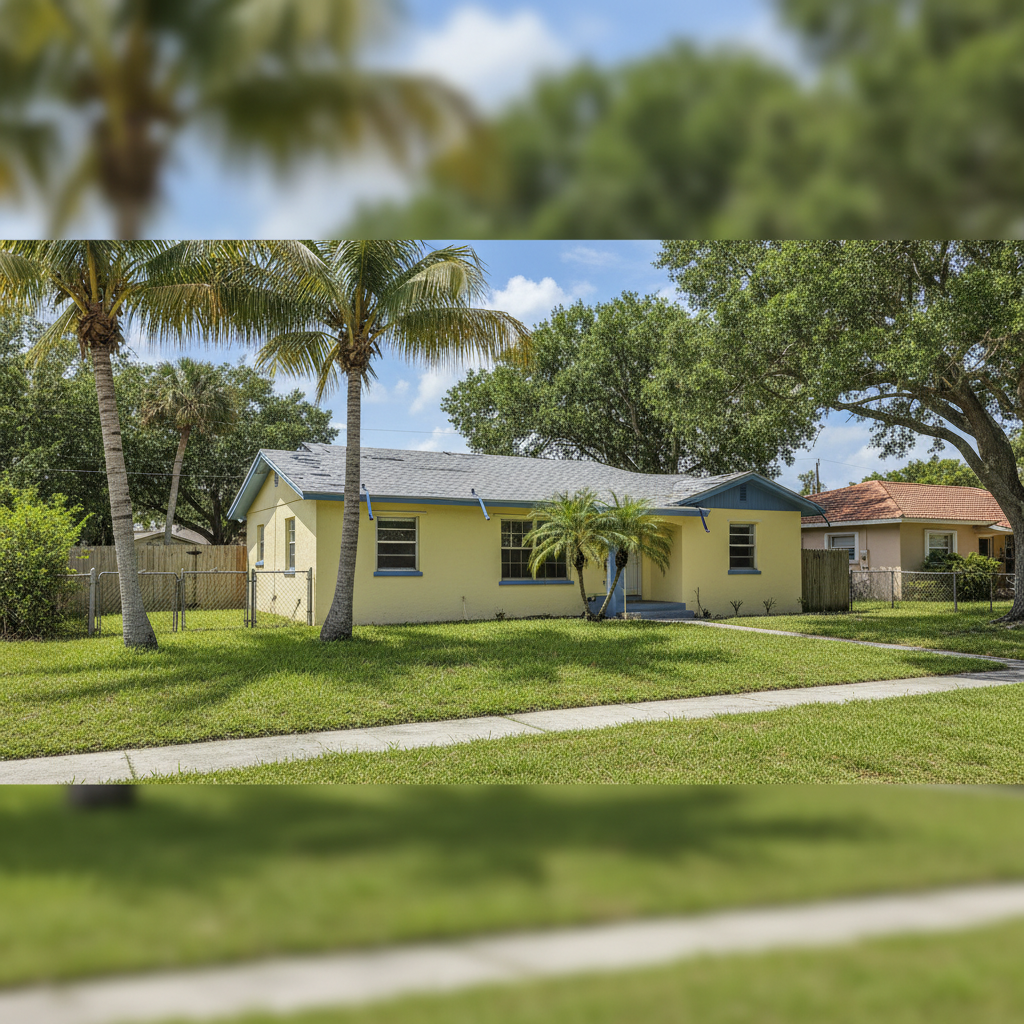
Another hurricane season is always just around the corner here in St. Pete, isn't it? We get our fair share of wind and rain, and sometimes, well, a lot more than our fair share. When a big storm blows through, everyone's first thought is usually about the roof or a fallen tree. And yeah, those are important. But what about the stuff you can't see right away? The structural damage that can sneak up on you?
I've been doing this for a long time, and I've seen it all after a good blow. From the older bungalows in Old Northeast to the newer construction out in, say, St. Pete Beach, every property has its weak spots. And believe me, wind and water find them.
Why You Can't Just 'Eyeball' Storm Damage
You might walk around your house after a storm, see the fence is still standing, the roof looks okay from the ground, and think you're in the clear. But that's where people often make a mistake. Wind, especially the kind we get with a tropical storm or hurricane, doesn't just hit things head-on. It swirls, it lifts, it creates pressure differences that can pull things apart from the inside out. Water, too, finds its way into the tiniest cracks, and once it's in, it can start doing real damage to your framing, foundations, and even your slab.
Think about the way wind moves across a roof. It's not just pushing down; it's creating uplift on the edges and corners. That can loosen sheathing, shift trusses, or compromise the connections between your roof structure and your walls. You might not see a missing shingle, but the integrity of what's underneath could be compromised. Then the next storm comes, and suddenly you've got a much bigger problem.
What I Look For (And What You Should Too)
When I'm evaluating a property after a storm, I'm not just looking for the obvious stuff. I'm looking for the subtle clues that tell a story about how the building reacted to the forces of nature. Here's a rundown of what's usually on my checklist:
- Roof & Attic: Beyond missing shingles, I'm checking for shifted sheathing, bent or cracked trusses, and any signs of water getting into the attic. Even a small leak can lead to big problems with rot and mold if you don't catch it early.
- Walls & Framing: Look for new cracks in drywall, especially around windows and doors. Are door frames or window frames out of square? Do doors stick where they didn't before? These can be signs your wall structure is racking or shifting.
- Foundation: This is a big one, especially with our sandy soil and high water table here in Pinellas County. Heavy rain can cause soil erosion around your foundation, which leads to settlement. Look for new cracks in your slab or exterior foundation walls. Also, check for any leaning or shifting of exterior elements like porches or attached carports.
- Exterior Connections: How are your decks, porches, and balconies attached to the main house? High winds can put immense stress on these connections. I'm checking for loose bolts, cracked joists, or any signs of separation.
- Water Intrusion: This isn't just about the roof. Check around windows, doors, and any spots where things poke through your walls (like vents or pipes). Water can find its way in and cause hidden damage to framing, insulation, and electrical systems.
- Settlement & Erosion: After heavy rains, the ground around your home can shift. Look for uneven settling around your foundation, new cracks in driveways or walkways, or areas where soil has clearly washed away.
Why Local Expertise Matters for Storm Damage
You could call any structural engineer, sure. But someone who's worked in St. Petersburg for years, someone like us at Skyline Structural Solutions, knows the specific challenges of our area. We know about the soil conditions that can make foundations more vulnerable to settlement after heavy rains. We know the common building practices from different eras, so we can anticipate where older homes might be weaker. We've seen how the wind typically funnels through certain neighborhoods, like those with lots of mature trees or tight street grids. We understand the local building codes and what it takes to get things repaired right and up to snuff for future storms.
A lot of our homes, especially those built before the stricter codes of the 90s, might have vulnerabilities that a general inspection won't catch. That's why getting a thorough, experienced evaluation after a significant storm isn't just a good idea; it's really a necessity for protecting your investment and your family's safety. Don't wait until a small issue becomes a major headache. Get it checked out.