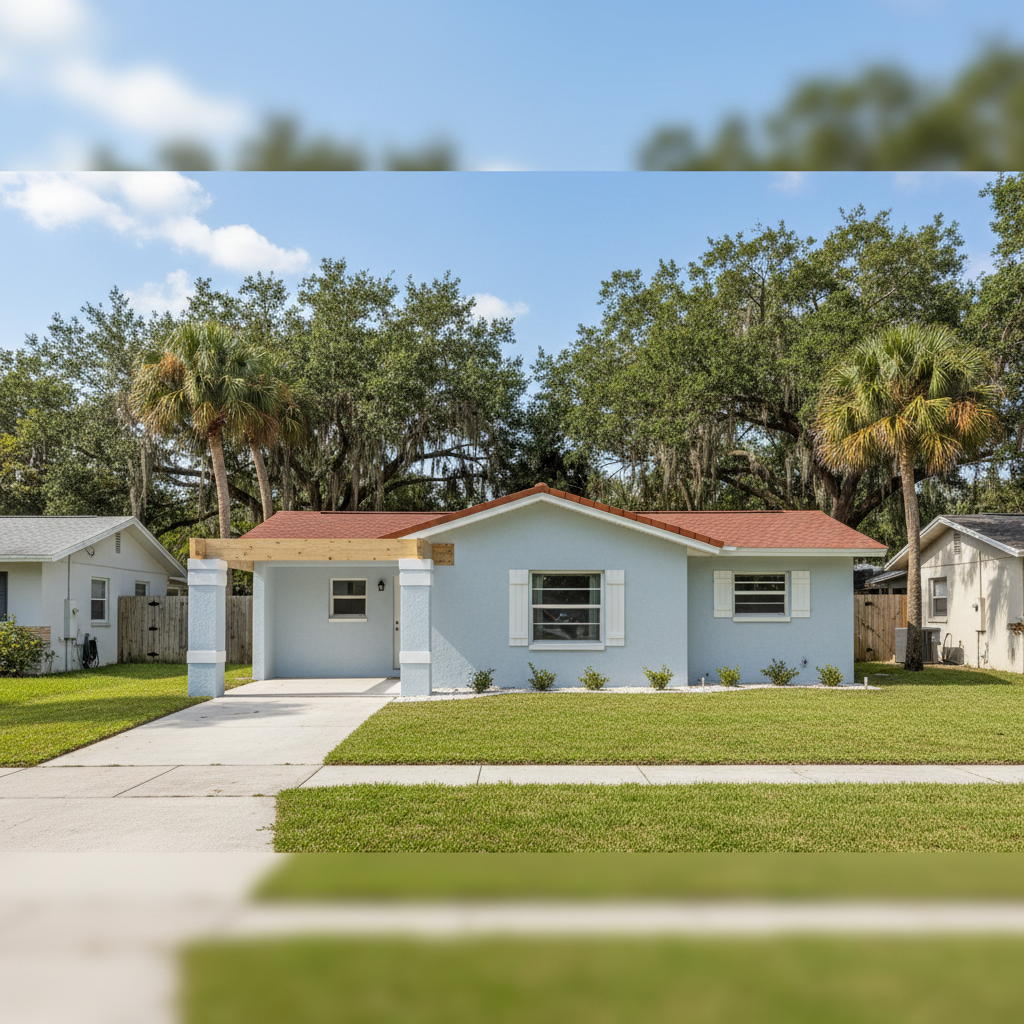
So, you're looking at your living room, or maybe your kitchen, and you're thinking, "Man, this wall just needs to go." I hear that a lot. It's a common dream for homeowners here in St. Pete, especially with all the older homes we've got – the bungalows in Old Northeast, the mid-century ranches in Snell Isle, even some of the block homes out towards Pinellas Park. Everyone wants that open, airy feeling, and knocking down a wall often seems like the quickest way to get it.
But before you grab a sledgehammer or even call a demo crew, there's a huge step you absolutely cannot skip: figuring out if that wall is load-bearing. Trust me, you don't want to find out the hard way that it was holding up your roof or the floor above you. That's where a good structural consultant comes in, and frankly, it's where local expertise really matters.
What's a Load-Bearing Wall, Anyway?
Alright, let's get basic. A load-bearing wall is exactly what it sounds like: a wall that's carrying a significant structural load from above. This could be the weight of the roof, the second floor, or even just the ceiling joists. If you remove it without proper support, you're going to have problems. Big, expensive, and potentially dangerous problems. We're talking sagging floors, cracked drywall, doors that don't close right, and in the worst cases, a partial collapse. Nobody wants that.
Non-load-bearing walls, sometimes called partition walls, are just there to divide space. They're usually much easier and safer to remove. The trick is knowing the difference, and it's not always obvious just by looking at it.
Why You Need a Pro (Especially Here in St. Pete)
You might think, "Can't I just tap on it and listen?" or "I saw a video online." Look, I'm all for DIY where it's safe, but this isn't the place to guess. Here's why you need a structural engineer or a knowledgeable contractor like us at Skyline Structural Solutions to take a look:
- Older Home Construction: St. Pete's got a fantastic mix of older homes. Many of them were built before modern open-concept designs were a thing. They often have different framing techniques, balloon framing, or even masonry construction that can make identifying load paths tricky. A 1920s bungalow in Kenwood is built way differently than a 1970s concrete block home in Shore Acres.
- Foundation and Soil: We're on a peninsula, right? Our soil conditions can vary wildly, even within a few blocks. Some areas have sandy soil, others are closer to the water with higher water tables. This affects how a home settles and how loads are distributed to the foundation. A structural engineer understands how these local conditions play into the overall stability of your home.
- Hurricane Preparedness: We live in Florida. Hurricanes are a fact of life. Any structural modification needs to consider wind loads and how your home will stand up to a storm. Removing a critical wall without proper reinforcement can compromise your home's ability to withstand high winds, and that's not something you want to mess with.
- Permitting and Code: You absolutely need a permit for load-bearing wall removal in St. Pete. The city's building department is going to want to see engineered plans. If you skip this, you'll have issues when you sell, and you could face fines or be forced to rebuild. A qualified professional knows the local codes and can draw up plans that will get approved.
- Hidden Surprises: I've seen it all. Old plumbing, electrical wiring, HVAC ducts, even asbestos sometimes, all hidden inside walls. A good consultant can help anticipate these issues and plan for their relocation, saving you headaches and unexpected costs down the line.
What Does a Load-Bearing Wall Consultation Involve?
When you call someone like us, we're not just going to show up and tell you "yes" or "no" in five minutes. We'll do a thorough assessment. This usually involves:
- Visual Inspection: We'll look at the wall in question, but also the walls and floors above and below it. We're checking for clues like joist direction, foundation cracks, and any existing structural issues.
- Attic and Crawl Space Access: If your home has an attic or crawl space, we'll need to get in there. That's where we can often see how the roof or floor joists are supported and where the loads are coming down.
- Drawing Review: If you have original blueprints or renovation plans, those can be incredibly helpful.
- Detailed Report: You'll get a clear report outlining whether the wall is load-bearing, and if it is, what solutions are available for removal. This might involve installing a new beam (steel or wood), columns, or other reinforcement.
The goal isn't just to tell you if you can remove the wall, but how to do it safely and effectively, ensuring your home remains structurally sound for years to come. It's an investment in your home's safety and value, and it's a step you shouldn't skip if you're dreaming of that wide-open living space.
If you're in St. Pete and thinking about a wall removal project, give us a call at Skyline Structural Solutions. We're happy to come out, take a look, and give you an honest assessment of what's possible and what's needed.